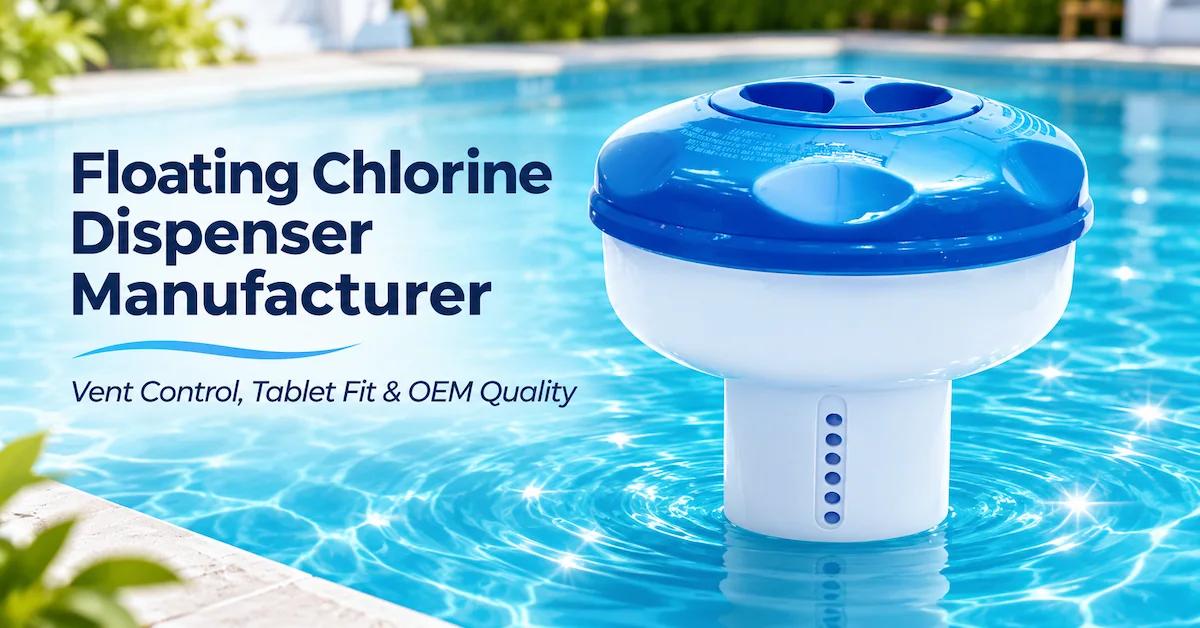

Maintaining a crystal-clear swimming pool requires consistent and balanced chlorination, a task made remarkably simple with a floating chlorine dispenser. This essential tool automates the process of sanitizing your pool water, ensuring it remains safe and inviting all season long. Instead of manually adding chlorine granules or liquid daily, a dispenser provides a steady, controlled release of sanitizer, preventing the peaks and valleys that can lead to algae growth or skin irritation. It’s a simple yet highly effective method for achieving perfect water chemistry with minimal effort.
Choosing Your Ideal Dispenser
Not all dispensers are created equal, and selecting a high-quality model is an investment in convenience and your pool’s longevity. When you're shopping, look for one with a sleek, durable design built from UV-resistant materials to withstand the harsh sun and pool chemicals. Key features to prioritize include a spacious, easy-to-grip lid, which makes refilling tablets effortless, even with wet hands. A larger capacity is also a major advantage, as it means you can load several 3-inch tablets at once, reducing the frequency of your maintenance tasks. The most crucial feature, however, is an adjustable bottom mechanism. These adjustable vents or rings allow you to precisely control the chlorine release rate, ensuring you can customize sanitation for any pool size, bather load, or weather condition.
A Step-by-Step Guide to Using Your Chlorine Dispenser
Once you have your dispenser, using it correctly is key to achieving that perfect sparkle. Follow these simple steps for optimal results.
First, prepare your chlorine tablets. It is crucial to always handle chlorine with care, preferably wearing protective gloves and eye protection in a well-ventilated area. Twist open the dispenser’s secure lid and place the recommended number of 1-inch or 3-inch tablets inside. As a general rule, use one 3-inch tablet per 5,000 gallons of water per week, but always test your water to fine-tune the amount based on your pool’s specific needs.
Next, adjust the flow rate. Your dispenser will have vents or a rotating ring at the bottom. It is best to start with the vents opened only slightly. For a smaller pool or during cooler months, you might only need a minimal opening. For larger pools or during peak summer usage, you'll need to open them more. Test your water’s free chlorine level after a day or two and adjust the opening accordingly. It’s better to start low and gradually increase the flow than to over-chlorinate the water.
Finally, place the dispenser in the pool. Gently release it into the water, allowing it to float freely. The natural current of the water will move it around the pool, distributing chlorine evenly. It is important to prevent it from getting stuck in the skimmer basket, as the concentrated chlorine released in one spot can damage the pool liner and filtration equipment. If needed, you can use a string to tether it away from the skimmer area.
Essential Maintenance and Safety Tips
Proper maintenance ensures your chlorine dispenser works effectively for years to come. Check the tablet level at least once a week by lifting the dispenser out of the water. Refill it as needed to maintain a consistent chlorine residual of 1-3 parts per million (ppm). For safety, it is best practice to remove the dispenser from the pool when people are swimming. This prevents swimmers, especially curious children, from coming into direct contact with the floating chemical device and the highly concentrated water around it. Simply place it in a plastic bucket with some pool water in a shaded area until swimming is finished.
Periodically, rinse the dispenser with fresh water to prevent residue buildup that can clog the vents. Most importantly, always store your chlorine tablets in their original container in a cool, dry, and well-ventilated place, safely away from other chemicals, especially acids, and out of reach of children and pets. Safety is paramount when handling any pool chemicals.
Effortless Pool Care Perfected
By following these guidelines, you can master the art of pool sanitation with minimal fuss. A reliable floating dispenser is more than just a piece of plastic; it’s your partner in maintaining a safe, healthy, and beautifully clear swimming environment for your family and friends. It removes the daily guesswork from chlorination, giving you more time to simply relax and enjoy your pristine pool. Investing in this simple tool is one of the smartest decisions a pool owner can make for effective and streamlined upkeep.