
Chlorine Dispenser: Enhance Pool Care with Ease

Maintaining a swimming pool is a rewarding task that ensures you always have a clean, safe, and inviting oasis to enjoy. One of the most essential aspects of pool care is maintaining the correct chemical balance, particularly the chlorine level. A high-quality floating chlorine dispenser is a simple yet indispensable tool that automates this crucial job, taking the daily guesswork out of sanitization. By consistently and evenly distributing chlorine, this clever device helps keep your water sparkling and free from harmful bacteria and algae, allowing you more time to swim and less time working on maintenance.

How to Fill and Prepare Your Chlorine Dispenser


Getting your dispenser ready for action is a straightforward process. Most modern designs, like those with an ergonomic, easy-to-remove lid, make this task incredibly simple. Start by twisting the lid to open the main chamber. Inside, you will place the appropriate number of 1-inch or 3-inch chlorine tablets. It's important to consult the tablet manufacturer's instructions and your pool's volume to determine the correct amount. Avoid overfilling the chamber, as this can lead to over-chlorination. Once the tablets are inside, securely fasten the lid to ensure it remains watertight and safe while floating in the pool. This initial setup is the first step toward effortless, automated pool care.

Setting the Correct Chlorine Flow


Perhaps the most critical feature of an effective chlorine dispenser is its adjustable flow control. At the bottom of the unit, you'll find vents or a rotating ring that you can open or close to regulate how quickly the tablets dissolve. This control gives you the power to fine-tune the chlorine release to match your pool's specific needs. For a new setup, it's wise to start with the vents on a lower or medium setting. After a day, test your pool's chlorine levels. If the level is too low, open the vents slightly more; if it's too high, close them a bit. Factors like heavy rainfall, high bather load, or intense sunlight will increase chlorine demand, so you may need to adjust the flow periodically to maintain a perfectly balanced pool chemistry.

Optimal Placement for Effective Chlorination


Once filled and adjusted, simply place the dispenser in the water. The buoyant design allows it to float freely across the surface, where currents and wind will move it around, ensuring chlorine is distributed evenly throughout the entire pool. For best results, allow it to roam freely rather than tethering it to one spot. However, it's crucial to prevent it from getting stuck in your pool's skimmer basket, as the concentrated chlorine released in that area could damage your filtration equipment over time. As a safety precaution, it is highly recommended to remove the dispenser from the pool whenever people are swimming to prevent accidental contact.

Maintaining Your Dispenser for Longevity


The best dispensers are crafted from durable, UV-resistant materials to withstand the harsh sun and constant exposure to chemicals. To ensure your accessory lasts for many seasons, a little maintenance goes a long way. Check the tablet level at least once a week during peak swimming season and refill as needed. It's also a good idea to rinse the dispenser with fresh water every month or so to prevent any residue buildup that might impede its function. When it's time to close the pool for the winter, be sure to remove the unit, dispose of any remaining tablets properly, rinse it thoroughly, and store it in a cool, dry place away from direct sunlight.
Share On
Featured Blogs
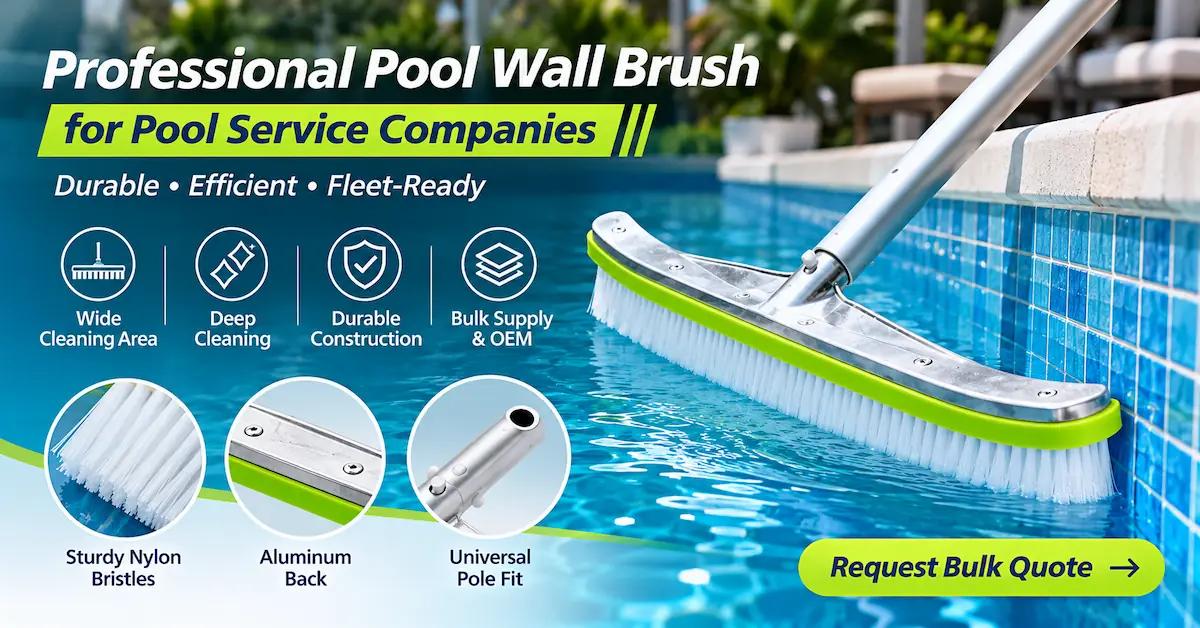
Bulk Pool Brushes for Pool Service Companies: Crew Standardization, Replacement Costs and Wholesale Quality Control

Bulk Pool Brushes for Pool Service Companies: Crew Standardization, Replacement Costs and Wholesale Quality Control

Sourcing bulk pool brushes for pool service companies requires a different purchasing strategy from buying occasional replacement tools. This guide explains how professional maintenance businesses can standardize brush selections across service crews, match bristle specifications to pool surfaces, calculate replenishment needs, and evaluate wholesale suppliers. It also covers BONNY product options, OEM customization, quality inspection, and practical steps for controlling long-term equipment costs.

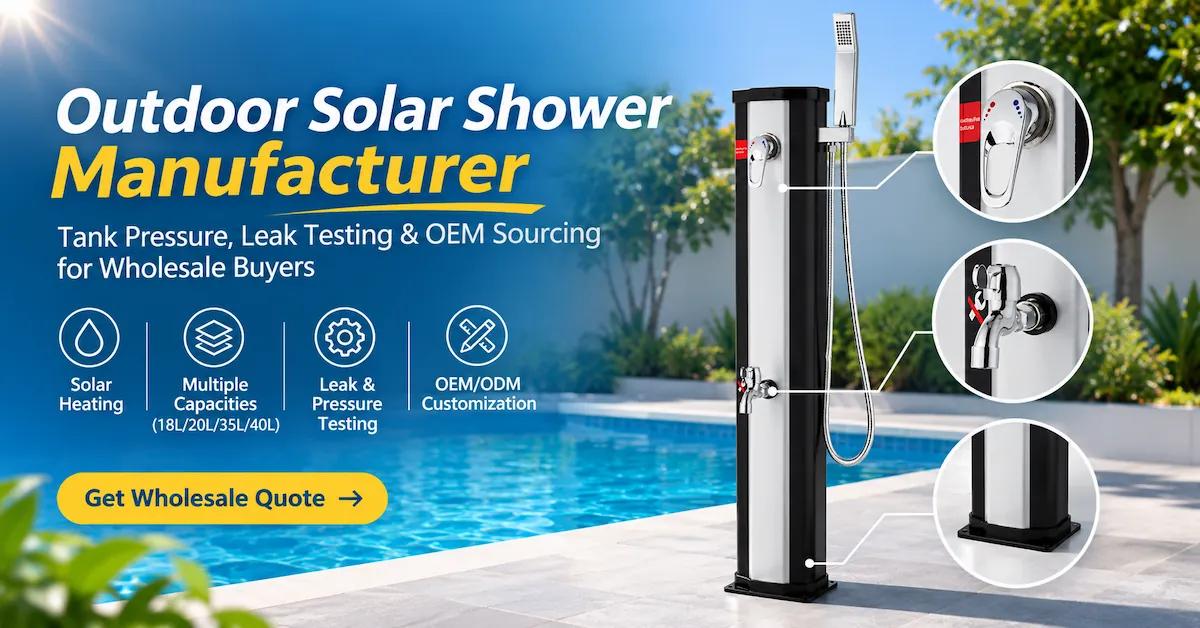
Outdoor Solar Shower Manufacturer: Tank Pressure, Leak Testing and OEM Sourcing for Wholesale Buyers

Outdoor Solar Shower Manufacturer: Tank Pressure, Leak Testing and OEM Sourcing for Wholesale Buyers

Choosing an outdoor solar shower manufacturer requires more than comparing tank capacities, product appearance, and wholesale prices. This technical guide helps pool equipment importers, garden retailers, resort suppliers, and private-label brands evaluate solar heating performance, water pressure compatibility, leak resistance, mounting structures, and OEM production quality. It also provides practical inspection checklists and sourcing recommendations for reducing returns and improving repeat-order consistency.

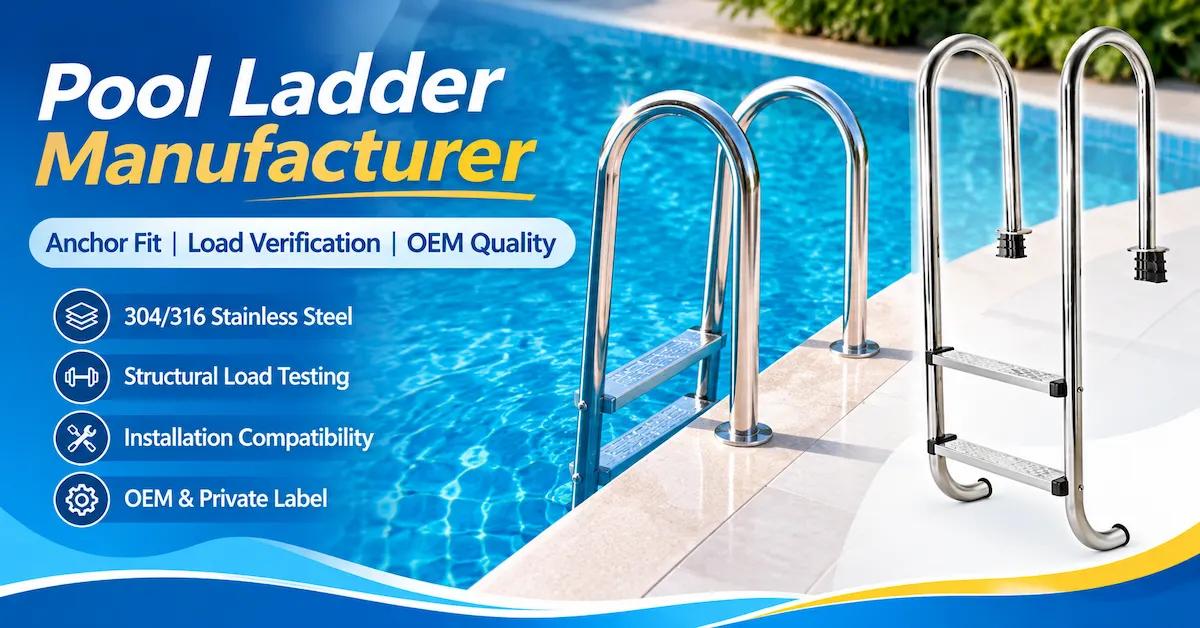
Pool Ladder Manufacturer: Anchor Fit, Load Verification and OEM Quality Control for Wholesale Buyers

Pool Ladder Manufacturer: Anchor Fit, Load Verification and OEM Quality Control for Wholesale Buyers

Choosing a pool ladder manufacturer requires more than comparing stainless steel grades, step counts, and wholesale prices. This guide helps pool equipment importers, distributors, and project contractors evaluate mounting compatibility, corrosion resistance, structural testing, anti-slip steps, and OEM quality control before approving bulk orders. It also explains how to reduce installation errors, product inconsistencies, and sourcing risks through a structured supplier qualification process.

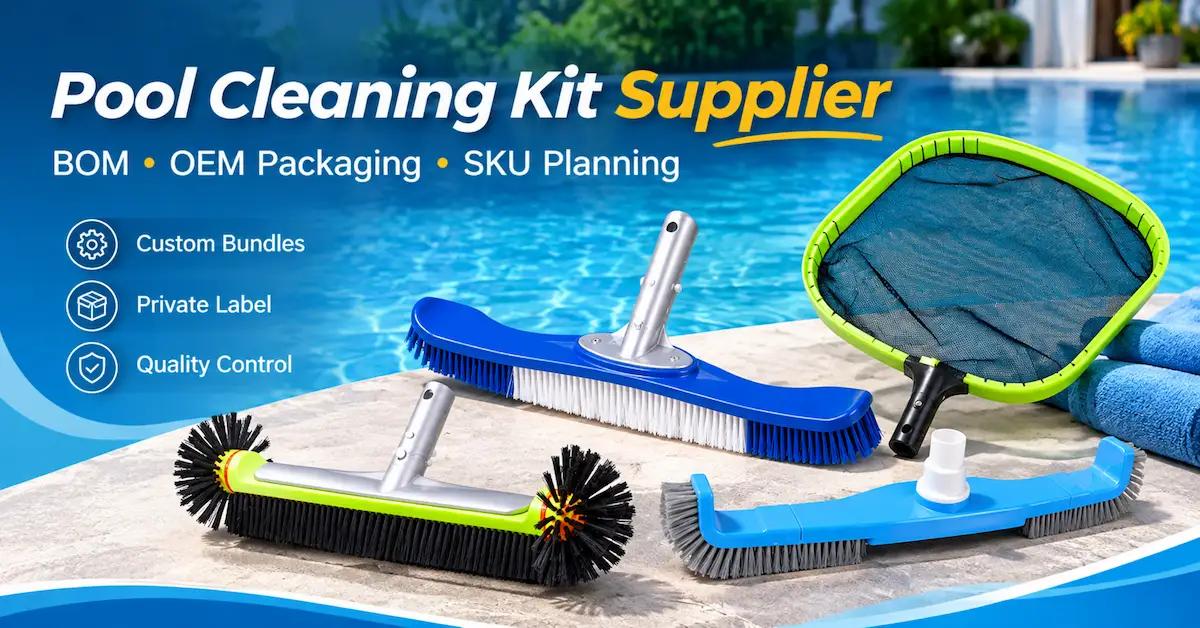
Pool Cleaning Kit Supplier: BOM, OEM Packaging and Reorder Control for Wholesale Buyers

Pool Cleaning Kit Supplier: BOM, OEM Packaging and Reorder Control for Wholesale Buyers

Choosing a pool cleaning kit supplier requires more than combining popular maintenance tools into one package. This guide helps importers, distributors, and private-label brands develop compatible product bundles, establish controlled bills of materials, evaluate OEM packaging, and manage quality and replenishment risks before placing wholesale orders.

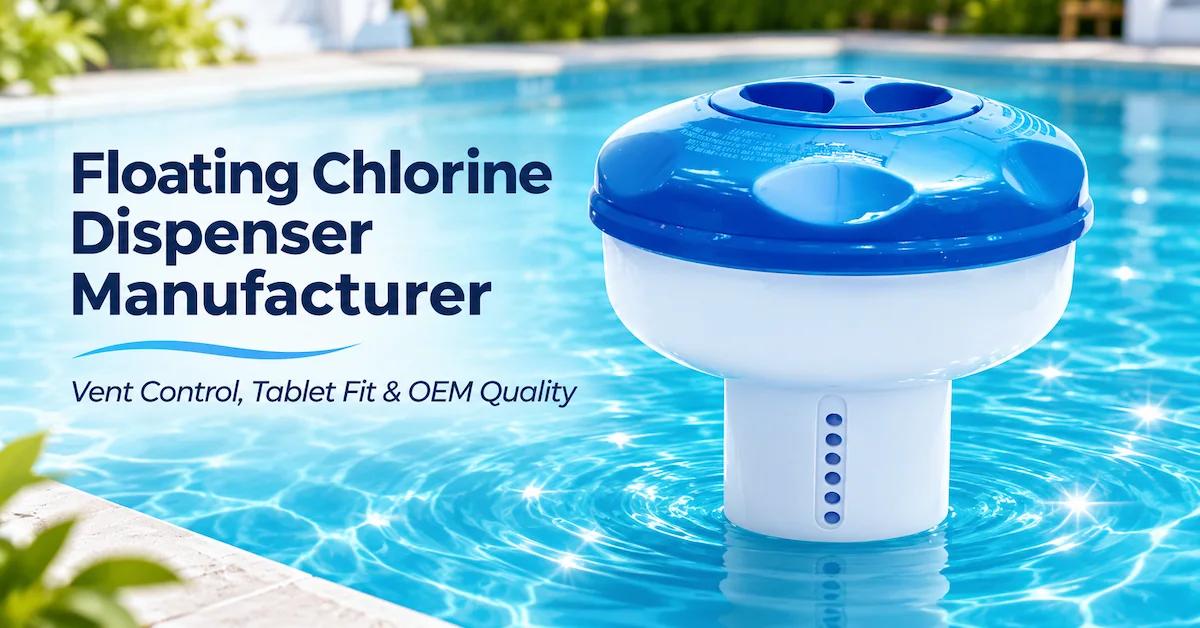
Floating Chlorine Dispenser Manufacturer: Vent Control, Tablet Fit and OEM Quality Checks for Bulk Buyers

Floating Chlorine Dispenser Manufacturer: Vent Control, Tablet Fit and OEM Quality Checks for Bulk Buyers

Choosing a floating chlorine dispenser manufacturer requires more than comparing tablet capacity, adjustable openings, and wholesale prices. This technical sourcing guide helps pool equipment importers, distributors, and private-label brands evaluate dispensing structures, tablet compatibility, floating stability, and manufacturing quality before approving OEM production or repeat wholesale orders.

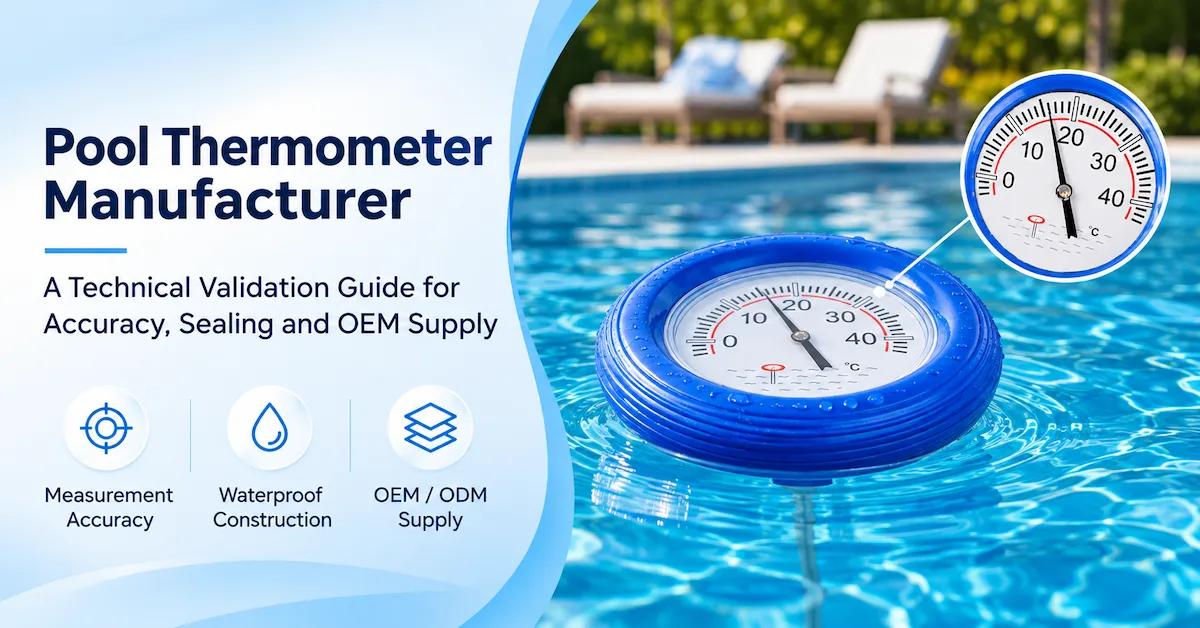
Pool Thermometer Manufacturer: A Technical Validation Guide for Accuracy, Sealing and OEM Supply

Pool Thermometer Manufacturer: A Technical Validation Guide for Accuracy, Sealing and OEM Supply

Choosing a pool thermometer manufacturer requires evaluating measurement accuracy, waterproof construction, sensor reliability, and production consistency rather than relying on digital displays or wholesale prices alone. This engineering-focused sourcing guide helps importers, distributors, and private-label brands compare thermometer designs, verify samples, establish quality requirements, and reduce risks before bulk purchasing.