


Sustainability Meets Power: Eco-Efficient Commercial Pool Cleaning Tools for Modern Facilities
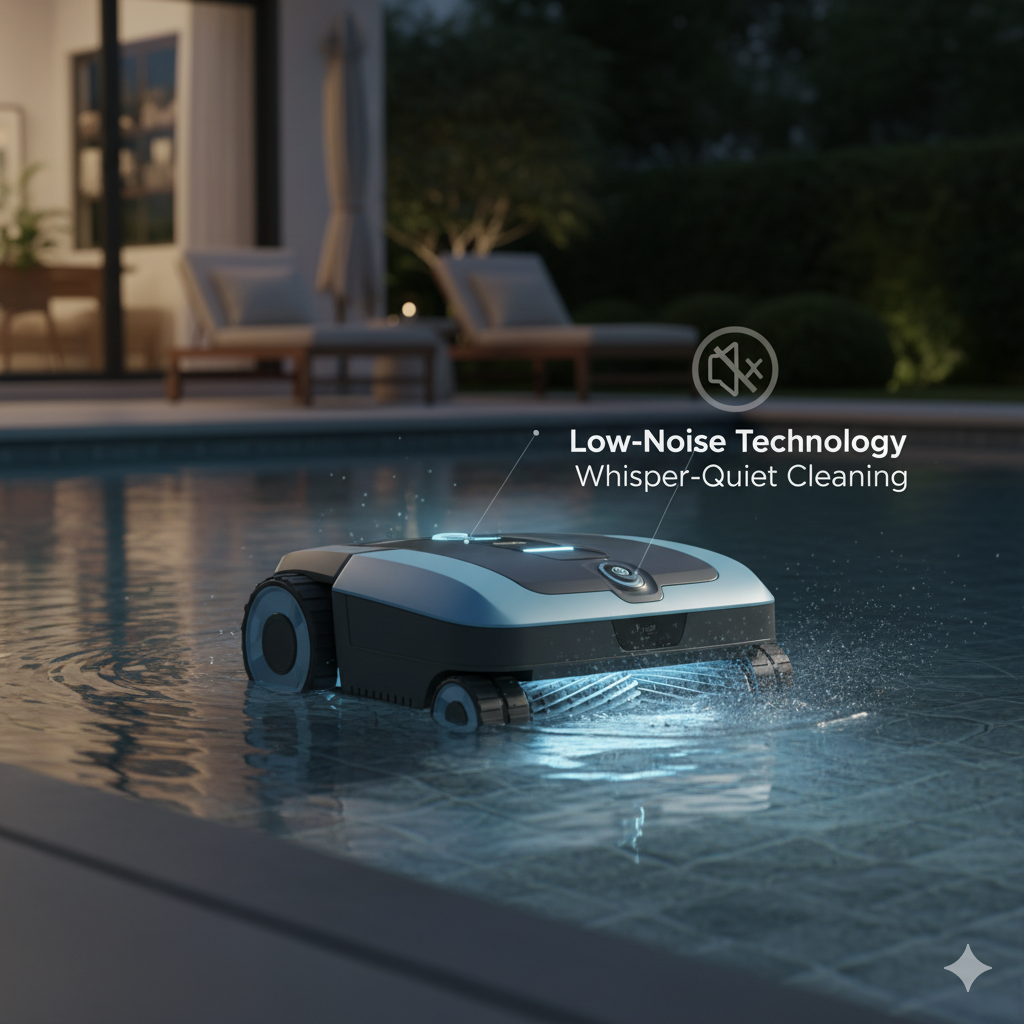
Environmental sustainability is no longer a marketing slogan—it is a design principle shaping every aspect of modern facility management. In the pool industry, where water circulation and cleaning demand substantial energy, commercial pool cleaning tools are undergoing a quiet transformation. The focus has shifted from brute mechanical power to eco-efficiency—achieving the same performance with less energy, fewer resources, and longer equipment life.
Intelligent Hydrodynamics: Cleaning Efficiency with Lower Power Draw
Traditional pool vacuum systems often rely on oversized pumps and continuous operation, consuming unnecessary energy. Today’s eco-efficient cleaning tools use optimized channel geometries and precision-engineered brushes to create better suction at lower flow rates.
Modern designs incorporate:
-
Streamlined hydrodynamic channels that reduce drag and turbulence.
-
Adaptive suction plates that adjust to surface contours, maintaining efficiency.
-
Low-resistance bearings and motor seals for smoother, longer operation.
These innovations translate directly into measurable savings—up to 30% less energy use without compromising cleaning coverage or speed.
Sustainable Materials and Manufacturing Practices
Eco-efficiency starts long before a pool cleaner reaches the water. Leading manufacturers are adopting recycled plastics, corrosion-resistant alloys, and modular components to reduce carbon footprints and extend product life.
Bonny’s manufacturing approach emphasizes:
-
Injection-molded recyclable materials for brushes and casings.
-
Durable aluminum and ABS combinations that balance strength and weight.
-
Replaceable parts design, ensuring each tool can be serviced rather than discarded.
The result is a lifecycle-conscious tool that not only performs reliably but also minimizes environmental waste across its production and use phases.
Smart Control and Automation: Precision Without Waste
Large facilities, from hotels to aquatic centers, operate multiple pools daily. Automated systems are essential for efficiency—but automation must be smart, not wasteful.
Eco-optimized pool cleaning tools now integrate with smart timers, pressure sensors, and IoT monitoring, enabling precise scheduling and resource allocation:
-
Smart scheduling aligns cleaning cycles with low-demand hours.
-
Automatic suction adjustment prevents over-pumping in lightly soiled pools.
-
Remote monitoring systems allow facility managers to track energy use and predict maintenance.
By integrating these systems, operators can maintain optimal hygiene while minimizing unnecessary power and water consumption.
Comparing Traditional vs. Eco-Efficient Pool Cleaning Systems
| Feature | Traditional Cleaning Tools | Eco-Efficient Systems |
|---|---|---|
| Power Consumption | High continuous draw | Optimized flow control reduces energy by 20–30% |
| Material Composition | Non-recyclable plastics | Recyclable composites and aluminum alloys |
| Maintenance Cycle | Frequent replacement | Modular components extend lifespan |
| Automation | Manual or timed operation | Smart sensors with adaptive scheduling |
| Water Usage | Unregulated | Controlled through debris flow optimization |
OEM Flexibility for Regional and Institutional Needs
Every commercial facility has unique operational demands—pool size, debris type, water chemistry, and local regulations all vary. OEM-ready commercial pool cleaning tools allow buyers to specify motor voltage, filtration compatibility, and branding.
Bonny provides tailored OEM services including:
-
Custom color and logo design for corporate consistency.
-
Voltage, plug, and filtration adaptations for regional standards.
-
Scalable production for distributors and hospitality chains.
This flexibility ensures that eco-efficiency is achieved not only in performance but across logistics, service, and distribution networks.
Q&A: Addressing Key Procurement Questions
Q1: Are eco-efficient pool cleaning tools as powerful as traditional ones?
Yes. Modern hydrodynamic design and optimized motors provide equivalent or superior cleaning coverage with lower energy draw.
Q2: How do sustainable materials impact durability?
Advanced recyclable composites and treated metals maintain structural strength while resisting corrosion from chlorinated or saline water.
Q3: Can eco-efficient systems be retrofitted into existing facilities?
Absolutely. Most systems are modular, allowing seamless integration with standard suction and filtration infrastructures.
Bonny: Building the Future of Sustainable Pool Maintenance
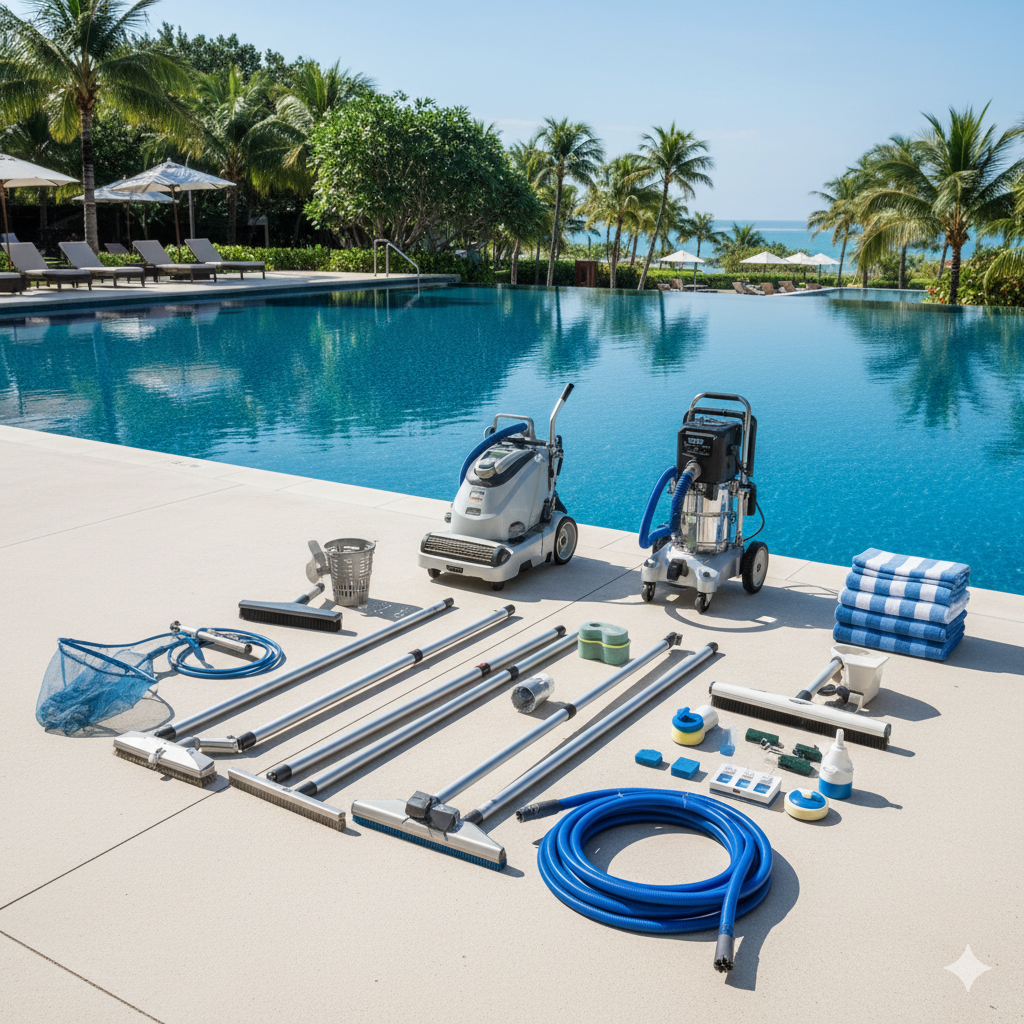
As a long-standing commercial pool cleaning equipment manufacturer and exporter, Bonny combines high-efficiency engineering with sustainable design principles. From hydrodynamic vacuum heads to modular cleaning kits, Bonny’s products support facilities worldwide in reducing maintenance costs while protecting the environment.
Every Bonny solution reflects our philosophy: efficiency should empower sustainability, not compete with it.
To explore Bonny’s full range of eco-efficient pool cleaning tools, visit our homepage or get in touch here for OEM and bulk procurement options.